Saturday, January 20, 2024

Nurturing Tomorrow's Leaders: The Crucial Role of HR in Succession Planning


In the ever-shifting landscape of business, the mantle of leadership is a dynamic force, requiring foresight and strategy to ensure continuity and success. Succession planning, a key component of organizational strategy, becomes the compass guiding businesses through the transitions of leadership. In this journey, Human Resources (HR) emerges as the orchestrator, playing a pivotal role in identifying, grooming, and unleashing the potential of future leaders.

Understanding Succession Planning

At its core, succession planning is more than a contingency plan for unforeseen vacancies; it's a proactive strategy for talent development. This strategic process involves identifying high-potential individuals within an organization, preparing them for leadership roles, and ensuring a smooth transition when the time comes for change at the top.

The Role of HR: Architects of Leadership Evolution

1. Identifying Potential Leaders:

“The best leaders are those most interested in surrounding themselves with assistants and associates smarter than they are.” - John C. Maxwell

  • Action: HR collaborates with department heads to identify employees with the potential to ascend to leadership roles.
  • Impact: Early identification ensures sufficient time for tailored development plans.

2. Grooming and Development:

“Before you are a leader, success is all about growing yourself. When you become a leader, success is all about growing others.” - Jack Welch

  • Action: HR designs and implements leadership development programs, focusing on skills, knowledge, and attributes essential for leadership.
  • Impact: A well-rounded developmental approach hones leadership capabilities and fosters a culture of continuous growth.

3. Building a Leadership Pipeline:

“A company shouldn't get addicted to being shiny, because shiny doesn't last.” - Jeff Bezos

  • Action: HR ensures a robust pipeline of leaders at various levels, minimizing the impact of sudden leadership gaps.
  • Impact: A dynamic leadership pipeline enables smooth transitions and reduces organizational vulnerability.

4. Succession Planning as a Cultural Pillar:

“Corporate culture matters. How management chooses to treat its people impacts everything—for better or for worse.” - Simon Sinek

  • Action: HR integrates succession planning into the organizational culture, emphasizing its significance.
  • Impact: A culture that values leadership development attracts top talent and fosters employee loyalty.

Navigating Challenges in Succession Planning

1. Overcoming Resistance:

“The greatest leader is not necessarily the one who does the greatest things. He is the one that gets the people to do the greatest things.” - Ronald Reagan

  • Challenge: Resistance to change from existing leadership.
  • Solution: HR facilitates conversations highlighting the positive impact on the organization's long-term health.

2. Balancing Internal and External Hires:

“In the end, all business operations can be reduced to three words: people, product, and profits.” - Lee Iacocca

  • Challenge: Striking the right balance between internal promotions and external hires.
  • Solution: HR crafts policies that prioritize internal talent while acknowledging the benefits of external perspectives.

3. Ensuring Diversity in Leadership:

“Diversity is not about how we differ. Diversity is about embracing one another's uniqueness.” - Ola Joseph

  • Challenge: Ensuring diversity in leadership roles.
  • Solution: HR champions diversity and inclusion initiatives, ensuring a diverse pool of candidates.

Measuring Success: Metrics that Matter

1. Internal Promotion Rates:

  • Metric: Percentage of leadership roles filled through internal promotions.
  • Significance: Indicates the effectiveness of the internal talent development program.

2. Time-to-Fill Leadership Positions:

  • Metric: Average time taken to fill leadership vacancies.
  • Significance: A shorter duration reflects the efficiency of succession planning.

3. Employee Engagement Scores:

  • Metric: Regular assessments of employee engagement.
  • Significance: A positive correlation between engagement scores and leadership development suggests a thriving leadership culture.

The HR Legacy: Nurturing Leaders, Shaping Futures

As organizations navigate the intricate dance of leadership transitions, HR emerges as the choreographer, orchestrating a symphony of talent development. Succession planning, when guided by the steady hand of HR, becomes a strategic investment in the future, ensuring that leadership evolves seamlessly, leaving behind a legacy of growth and continuity.

In the words of Steve Jobs, "The only way to do great work is to love what you do." With HR as the architect of succession planning, organizations not only do great work but also inspire greatness in those who will lead the way forward.


Saturday, January 13, 2024

The Leadership Conundrum: Chronic External Hiring for Upper Management


In the ever-evolving landscape of organizational dynamics, the revolving door of external hires for upper management positions can signal more than just a recruitment strategy—it might be a symptom of deeper leadership challenges. While external hires bring fresh perspectives and diverse experiences, chronic reliance on them could indicate a leadership conundrum that merits exploration.

The Endless Cycle of External Hires

In many organizations, the pattern is familiar: a new upper management position opens up, and the default response is to cast a wide net externally. While there's undeniable value in infusing new blood into a team, the persistent cycle of external hiring can raise questions about the health of leadership within the organization.

The Telltale Signs

1. Lack of Succession Planning:

  • Sign: Frequent external hires without an internal succession plan.
  • Implication: A leadership team that fails to nurture and develop talent from within may struggle with a myopic vision or an unwillingness to invest in the growth of existing team members.

2. Cultural Disconnect:

  • Sign: External hires consistently face challenges in adapting to the organizational culture.
  • Implication: Leadership may not be effectively communicating and embedding the core values and cultural nuances within the organization, leading to a perpetual clash of cultures.

3. Leadership Development Gaps:

  • Sign: Limited investment in leadership development programs for existing team members.
  • Implication: An organization that overlooks the potential for leadership growth within its ranks may signal a leadership team more focused on immediate results than long-term sustainability.

4. Erosion of Employee Morale:

  • Sign: Internal teams expressing frustration or disillusionment due to the constant influx of external leaders.
  • Implication: A leadership style that may undervalue the importance of continuity, employee loyalty, and the positive impact of promoting from within.

The Root Causes

1. Resistance to Change:

  • Cause: Leadership resistant to embracing change or new ideas from within.
  • Effect: The reluctance to tap into internal talent could be a symptom of a leadership team stuck in traditional ways or hesitant to disrupt the status quo.

2. Fear of Innovation:

  • Cause: A leadership team hesitant to innovate or experiment with new leadership styles.
  • Effect: Chronic external hiring may result from a fear of internal disruption or an unwillingness to invest time and resources in cultivating innovative leadership approaches.

3. Short-Term Focus:

  • Cause: A leadership team fixated on short-term goals and immediate results.
  • Effect: Investing in internal talent development requires a longer-term perspective, and chronic external hiring may be a consequence of leadership prioritizing rapid solutions over sustained organizational growth.

Breaking the Cycle: A Leadership Odyssey

1. Embrace Succession Planning:

  • Action: Prioritize and invest in robust succession planning programs.
  • Impact: Identify and develop internal talent, ensuring a pipeline of leaders who intimately understand the organization's culture and values.

2. Cultivate an Inclusive Culture:

  • Action: Foster an inclusive culture that values diverse perspectives.
  • Impact: External hires will integrate more seamlessly when the organization actively nurtures an environment that appreciates and respects differences.

3. Invest in Leadership Development:

  • Action: Implement comprehensive leadership development programs.
  • Impact: Equip existing team members with the skills and knowledge needed to take on leadership roles, reducing the reliance on external candidates.

4. Prioritize Employee Growth:

  • Action: Prioritize employee growth and career development.
  • Impact: Employees will feel valued, motivated, and committed, contributing to a positive organizational culture that attracts and retains talent.

The Leadership Odyssey Continues

Chronic external hiring for upper management positions can be a symptom of leadership challenges that demand introspection and proactive measures. Successful organizations recognize that a healthy balance between external insights and internal continuity is key to sustainable growth. As leaders embark on this odyssey, they pave the way for a culture of empowerment, growth, and enduring success.

In the realm of leadership, the true Odyssey lies not in the perpetual quest for external leaders but in the intentional cultivation of a flourishing internal leadership landscape.

Saturday, January 6, 2024

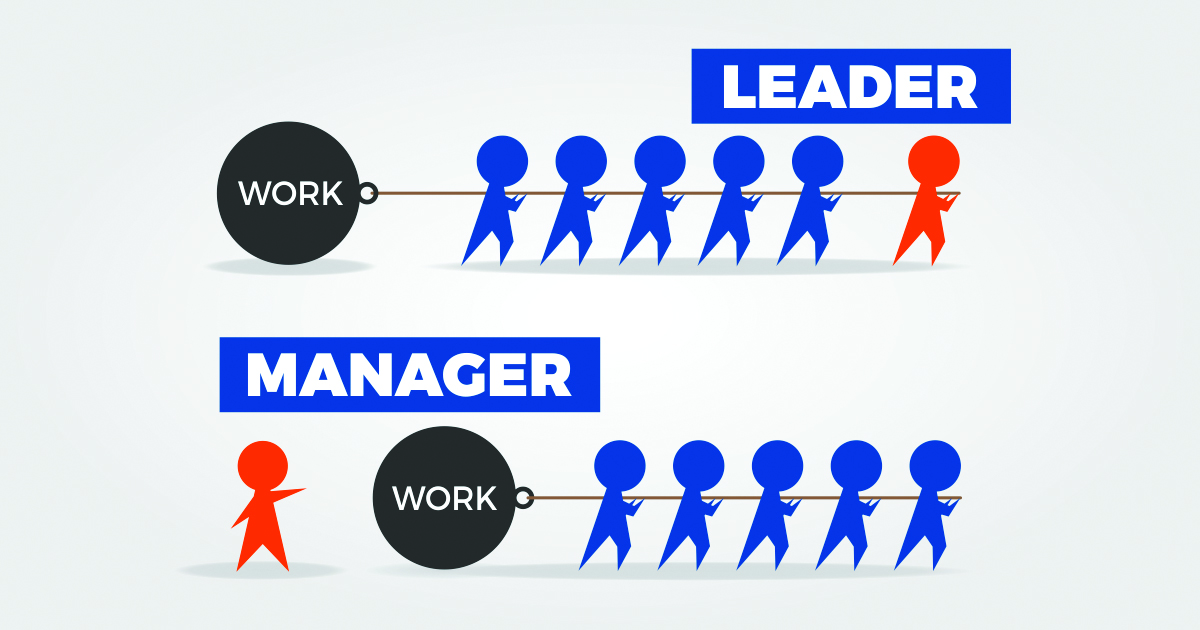
Leadership vs. Management: Striking the Right Balance


In the intricate dance of organizational governance, two essential roles take center stage: leadership and management. While these terms are often used interchangeably, they represent distinct yet interdependent facets crucial for the success of any enterprise. In this exploration, we'll delve into the differences between leadership and management, highlighting the imperative of striking the right balance for effective organizational dynamics.

Defining Leadership and Management

Leadership:

At its core, leadership is a forward-looking, visionary force that inspires and motivates individuals toward a shared goal. Leaders set the direction, foster innovation, and cultivate a sense of purpose within the team or organization. They are architects of change, guiding others through challenges with charisma, empathy, and a focus on the big picture.

Management:

Management, on the other hand, is the practical, operational counterpart to leadership. It involves the coordination of resources, processes, and people to achieve specific, measurable objectives. Managers are skilled organizers, planners, and problem-solvers who ensure that day-to-day operations run smoothly. Their focus is on efficiency, accountability, and delivering tangible results.

The Symbiosis of Leadership and Management

"Good management is the art of making problems so interesting and their solutions so constructive that everyone wants to get to work and deal with them."

— Paul Hawken, Environmentalist and Entrepreneur

Organizations thrive when there's a harmonious blend of effective leadership and sound management. Consider a symphony where the conductor (leader) sets the artistic vision and inspires musicians, while the orchestra manager (manager) ensures that rehearsals are well-organized, instruments are tuned, and logistics are seamless. The magic happens when both elements come together.

Key Distinctions

Focus on People vs. Focus on Processes:

  • Leadership: Prioritizes inspiring and empowering people, fostering a culture of collaboration, creativity, and personal growth.
  • Management: Concentrates on optimizing processes, ensuring efficiency, and achieving specific, measurable outcomes.

Embracing Change vs. Maintaining Stability:

  • Leadership: Thrives in ambiguity, champions innovation, and guides the organization through change with a focus on long-term goals.
  • Management: Prefers stability, excels in planning and organizing, and ensures that established processes are followed to meet short-term objectives.

Visionary Outlook vs. Tactical Execution:

  • Leadership: Paints a compelling vision of the future, aligns the team with a shared purpose, and inspires commitment to overarching goals.
  • Management: Executes the vision by breaking it into actionable steps, allocating resources, and monitoring progress toward specific targets.

Achieving the Right Balance

"Management is doing things right; leadership is doing the right things."

— Peter Drucker, Management Consultant, Educator, and Author

Striking the right balance between leadership and management is an ongoing dynamic process. Successful organizations recognize the symbiotic relationship between the two and foster an environment where leaders and managers complement each other's strengths. Here's how:

Effective Communication:

  • Leaders communicate the "why" behind actions, fostering a sense of purpose.
  • Managers communicate the "how" and "what" to ensure clarity and understanding.

Collaborative Decision-Making:

  • Leaders involve the team in decision-making to harness collective insights.
  • Managers make informed decisions based on data, efficiency, and immediate needs.

Adaptive Learning:

  • Leaders encourage a culture of continuous learning, adaptability, and embracing change.
  • Managers facilitate skill development and ensure teams are equipped for their roles.

Empowering and Supporting Teams:

  • Leaders empower individuals, provide mentorship, and encourage autonomy.
  • Managers provide support, allocate resources, and ensure teams have the tools needed for success.

Conclusion: Orchestrating Success

In the grand symphony of organizational governance, leadership and management are not opposing forces but complementary notes. Success lies in recognizing their distinctive tunes and orchestrating them harmoniously. By striking the right balance, organizations can navigate challenges, foster innovation, and achieve sustainable growth—turning the art of leadership and the science of management into a powerful composition.

Remember, the most successful leaders are adept at wearing both hats, seamlessly transitioning between visionary inspiration and operational excellence, ensuring a thriving and resilient organization.

Saturday, December 30, 2023

Embracing Change: HR Trends to Watch Out for in 2024


As the curtain falls on another year, it's time to turn our gaze toward the evolving landscape of Human Resources. The year 2024 promises to be a dynamic journey for HR professionals, marked by transformative trends that will shape the workplace of the future. Let's explore the key HR trends to watch out for in the coming year.

1. Employee Well-being Takes Center Stage

In the wake of a global recalibration of work-life balance, organizations are increasingly prioritizing employee well-being. Beyond traditional benefits, companies are implementing holistic well-being programs, addressing mental health, stress management, and work-life integration. Expect to see a surge in initiatives that foster a healthier, more supportive work environment.

"Investing in employee well-being is not just an ethical choice; it's a strategic imperative. A healthy, happy workforce is the foundation of organizational success."

— Sarah Thompson, HR Director, InnovateCorp

2. Hybrid Work Models Evolve

The hybrid work model, born out of necessity, is here to stay. However, 2024 will witness a more nuanced approach. Companies will refine their hybrid strategies, focusing on optimizing productivity, maintaining team cohesion, and fostering inclusive collaboration. HR professionals will play a pivotal role in shaping policies that balance flexibility with organizational goals.

"The future of work is hybrid, but the key is thoughtful evolution. It's about finding the sweet spot that maximizes productivity, fosters collaboration, and respects individual preferences."

— Alex Chen, Chief People Officer, NexGen Solutions

3. Data-Driven HR Decision-Making

As technology continues to advance, HR professionals will leverage data analytics to make more informed decisions. From recruitment and talent management to employee engagement, data-driven insights will guide strategic initiatives. Expect a surge in the adoption of HR analytics tools and platforms that empower professionals to harness the power of data.

"Data is the compass guiding us through the complexities of HR. Every decision we make should be rooted in insights that elevate the employee experience and drive organizational growth."

— Maya Rodriguez, Head of People Analytics, Insightful Solutions

4. Continuous Learning and Skill Development

In the rapidly evolving landscape of work, the emphasis on continuous learning will intensify. HR departments will spearhead initiatives to upskill and reskill employees, ensuring they stay relevant in their roles. Personalized learning paths, online courses, and mentorship programs will become integral components of organizational learning strategies.

"Empowering employees to continuously learn is not just about staying competitive; it's about nurturing a culture of curiosity and adaptability. In the world of work, the ability to learn is the ability to lead."

— Jonathan Harper, Learning & Development Manager, ProSkill Innovations

5. Diversity, Equity, and Inclusion (DEI)

The spotlight on Diversity, Equity, and Inclusion will continue to shine brightly in 2024. Organizations will move beyond token gestures, embracing more comprehensive DEI strategies. HR professionals will lead the charge in creating inclusive workplaces, fostering diverse talent pipelines, and implementing initiatives that drive meaningful cultural change.

"Diversity, Equity, and Inclusion are not checkboxes; they're the pillars on which strong, resilient organizations are built. HR's role is to embed DEI in the DNA of the workplace."

— Dr. Aisha Patel, DEI Strategist, Diverse Dynamics

6. AI and Automation in HR

Artificial Intelligence (AI) and automation will increasingly find applications in HR processes. From streamlining recruitment processes to automating routine tasks, these technologies will enhance efficiency and free up HR professionals to focus on more strategic, human-centric aspects of their roles. The careful integration of AI will be a hallmark of HR innovation in 2024.

"AI is not here to replace HR professionals; it's here to augment our capabilities. Integrating technology wisely allows us to focus on the human side of HR."

— Michael Turner, HR Tech Evangelist, FutureHR Tech

7. Agile Performance Management

The traditional annual performance review is giving way to agile performance management approaches. Continuous feedback, goal setting, and regular check-ins will become standard practices. HR professionals will champion performance management strategies that align with the dynamic nature of modern work, promoting agility, adaptability, and employee growth.

"Agile performance management recognizes that work is a dynamic, ongoing conversation. It's about empowering employees to succeed, grow, and contribute in real-time."

— Emily Baker, Performance & Engagement Lead, SwiftSuccess Inc.

8. Remote Work Support and Infrastructure

While remote work is no longer a novelty, HR professionals will continue to refine support structures and infrastructure for remote teams. This includes addressing digital fatigue, ensuring equitable opportunities for remote and in-office workers, and fostering a sense of belonging and connection across virtual spaces.

"Remote work is a reality, and it's our job to make it work. From digital well-being to creating virtual water coolers, HR is the architect of a seamless remote work experience."

— Lauren Garcia, Remote Work Strategist, VirtualVibes Ltd.

Conclusion: Navigating the Future of HR

As we step into 2024, HR professionals are poised at the helm of change, steering organizations toward a future of work that is agile, inclusive, and technology-driven. Embracing these HR trends will not only enhance organizational resilience but will also elevate the employee experience, ensuring that workplaces remain vibrant, supportive, and ready for the challenges that lie ahead.

Here's to a transformative year in Human Resources, where innovation meets compassion, and where HR professionals continue to shape the future of work.

Happy New Year!


Saturday, December 23, 2023

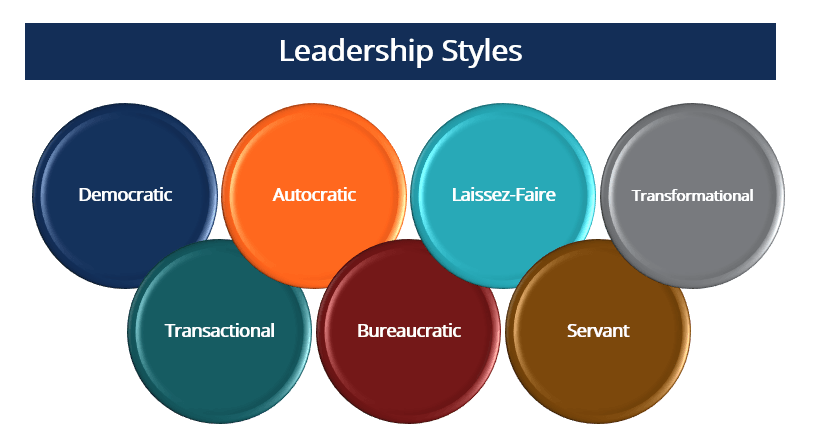
The Essence of Leadership: Exploring Different Leadership Styles


Leadership is an art, a dynamic force that shapes the culture and direction of organizations. As we navigate the complex terrain of leadership, it becomes evident that there is no one-size-fits-all approach. Different circumstances call for different styles, each contributing to the rich tapestry of organizational leadership. Join us on a journey to explore the essence of leadership, delving into various leadership styles and their profound impact on organizational culture.

1. Transformational Leadership: Inspiring Change and Innovation

Transformational leaders are catalysts for change. They inspire and motivate their teams to reach new heights of performance and innovation. By fostering a culture of creativity and pushing the boundaries of the status quo, transformational leaders leave an indelible mark on organizational growth.

2. Servant Leadership: Leading with Humility and Empathy

In stark contrast to traditional hierarchical models, servant leaders prioritize the needs of their team members. Grounded in humility and empathy, they aim to serve and support, creating an environment where individuals can flourish. Servant leadership builds trust and nurtures a sense of community within the organization.

3. Transactional Leadership: Guiding Through Rewards and Punishments

Transactional leaders operate on a system of rewards and punishments. They focus on clear structures, goals, and performance expectations. While this style can provide stability, it may lack the inspirational elements found in other leadership approaches.

4. Laissez-Faire Leadership: Empowering Through Freedom and Autonomy

Laissez-faire leaders adopt a hands-off approach, providing their team members with autonomy to make decisions. This style can be effective in fostering independence and creativity but may require a team with a high level of self-motivation.

5. Authentic Leadership: Leading with Transparency and Integrity

Authentic leaders prioritize transparency and integrity. They lead by example, staying true to their values and principles. Authentic leadership creates a culture of trust, as team members feel a genuine connection to their leader and the organization's mission.

Impact on Organizational Culture: A Mosaic of Leadership Styles

The choice of leadership style profoundly influences organizational culture. A blend of different leadership styles, thoughtfully applied, can create a dynamic and resilient culture that adapts to challenges. For example, a transformational leader may drive innovation, while a servant leader fosters a supportive and collaborative atmosphere.

Conclusion: The Artistry of Leadership Styles

As we navigate the diverse landscape of leadership, it becomes clear that effective leaders are versatile. They understand when to inspire, when to guide, and when to empower. By embracing a repertoire of leadership styles, leaders can respond adeptly to the evolving needs of their teams and organizations.

In the symphony of leadership, each style plays a unique role, contributing to the overall harmony. Whether you find resonance in transformational, servant, transactional, laissez-faire, or authentic leadership, the essence lies in the artistry of understanding and applying these styles judiciously.

As you reflect on your own leadership journey, consider the impact of different styles on your organization's culture. Embrace the art of leadership, recognizing that the most effective leaders are those who can skillfully adapt their style to bring out the best in their teams.

Saturday, December 16, 2023

Unleashing Potential: The Transformative Power of Leadership Development


 In the dynamic landscape of today's business world, organizations are recognizing the profound impact of cultivating strong leaders from within their ranks. Leadership development programs have emerged as a cornerstone for fostering talent, driving innovation, and ensuring long-term success. Let's delve into the benefits of leadership development and explore real-world companies that have mastered the art of promoting and nurturing their own leaders.

The Ripple Effect of Leadership Development

1. Enhanced Employee Engagement:

A well-designed leadership development program engages employees at all levels. It communicates a commitment to individual growth, fostering a sense of loyalty and dedication.

2. Improved Organizational Performance:

Investing in leadership development is an investment in the organization's overall performance. Strong leaders inspire teams, drive productivity, and contribute to the achievement of strategic goals.

3. Agility in a Changing Landscape:

Rapid changes in the business environment require agile leaders. Leadership development equips individuals with the skills to navigate uncertainties, adapt to change, and lead with resilience.

4. Succession Planning and Talent Retention:

An effective leadership development strategy includes succession planning. It ensures a pipeline of capable leaders, reducing the risk associated with key personnel transitions and enhancing talent retention.

Real-World Pioneers: Companies Leading the Way

1. IBM:

IBM is renowned for its commitment to leadership development. The company has a robust program that identifies and grooms potential leaders, with many top executives having risen through the ranks.

2. General Electric (GE):

GE has a storied history of developing leaders from within. Former CEOs like Jack Welch started their careers at GE, emphasizing the success of their leadership development initiatives.

3. Procter & Gamble (P&G):

P&G is dedicated to building a leadership pipeline. The company emphasizes rotational programs and mentorship to nurture leaders who understand the company's values and vision.

4. Google:

Despite being a tech giant, Google places a strong emphasis on leadership development. The company encourages innovation and leadership at all levels, promoting a culture of continuous learning.

Nurturing Leaders, Ensuring Success

In a world where adaptability and innovation are paramount, organizations must prioritize leadership development. The benefits extend far beyond individual growth, creating a ripple effect that positively influences teams, departments, and the entire organization. Real-world examples from industry leaders like IBM, GE, P&G, and Google showcase the tangible impact of investing in the leaders of tomorrow. As you embark on your leadership development journey, consider the unique needs of your organization. Tailor your programs to align with your values, foster a culture of continuous learning, and watch as your investment in leadership development pays dividends for years to come.

Saturday, December 9, 2023

The Office Dilemma: Navigating the Great Compromise


Hey, HR Goonies! Ready for a deep dive into the ever-evolving saga of the return-to-office drama? Today, we're taking cues from a recent SHRM magazine article that explores the twists and turns of what they aptly call "The Great Compromise."

The Quest for the Right Mix: Hybrid or Bust?

So, picture this: You've got a cool lounge, quiet offices, and all the perks to lure your team back to the office. But what if your employees shrug and say, "Thanks, but no thanks"? Welcome to the conundrum faced by Ability Beyond, where the push to bring employees back five days a week met the reality of a workforce comfortable in their remote realms.

Hybrid Heroics: Flexibility or Bust!

In the epic tale of the return-to-office saga, the word on the street is hybrid, hybrid, hybrid! The SHRM survey reveals that collaboration and preserving workplace culture top the reasons for the comeback. Yet, employees are singing a different tune, with the sweet melody of work/life balance, cost savings, and productivity echoing in the background. The solution? A compromise, of course!

Employees’ Anthem: Remote Forever?

Hold onto your HR hats—52% of employees want the remote gig to be a permanent fixture in their careers! And can you blame them? No commute, no ironing shirts, and the freedom to conquer tasks in the comfort of fuzzy slippers. But here's the plot twist: The survey shows that those who returned to the office are reporting higher job satisfaction and productivity. Who saw that coming?

The Rebellion: Walkouts and Petitions

Not everyone is thrilled about the return-to-office narrative. Amazon, Apple, and Disney employees staged their rebellions, shouting, "We won't go back!" Farmers Insurance faced the music with threats of quitting and unionizing. The reality check? Nearly 7 in 10 employees would rather job-hop than head back to the office. Ouch!

Gender Disparity: The Hidden Toll

Ah, the not-so-hidden toll on women's careers. Flexible work options have been a beacon for women, attracting them to workplaces that get the remote memo. But here's the twist: Supervisors think remote workers are easily replaceable, and forgetfulness creeps in when assigning tasks. The result? A setback in gender diversity, as seen at Tata Consultancy Services.

Trust Issues: The Heart of the Matter

Why the pushback on returning to the office? It seems the heart of the issue is trust—or the lack thereof. A Microsoft survey spills the beans: 85% of leaders lack confidence in their workers' productivity. Yet, 87% of workers claim they're getting the job done. Do leaders need to hit refresh on their communication styles, or is something else brewing?

The Solution: Embrace Flexibility, Boost Diversity

The sage advice from Pam Cohen of WerkLabs echoes through the corridors of corporate wisdom: Flexibility is the key! Zoom, Slack, and the wonders of virtual collaboration can keep the wheels turning without dragging everyone back to the office. The bonus? A more diverse workplace, just like the success story at Airbnb.

A Call for Guidelines: Manage the Hybrid Chaos

Here's a revelation: Many companies lack clear guidelines for remote and hybrid work. Nearly half are in the gray area, with no rules or just informal guidelines. But, as they say, failing to plan is planning to fail. Gartner's Kayla Velnoskey emphasizes the need for clear guidance to ensure optimal performance and avoid the pitfalls of remote work.

Conclusion: The HR Odyssey Continues

As we wrap up this thrilling episode of the return-to-office saga, one thing is certain: The quest for the right mix continues. Leaders, employees, and HR goonies, buckle up—this journey is far from over! Stay tuned for more workplace mysteries unraveling in our HR Goonies series. 

Saturday, December 2, 2023

Learning Beyond Limits: A Dive into the Future of Employee Development


Hey there, fellow HR enthusiasts! 😁 Ready to embark on a journey that's reshaping the way we think about employee training? Buckle up, because we're diving into the revolutionary world of E-Learning and Microlearning – the dynamic duo that's turning traditional training on its head.

1. Breaking Free from Classroom Chains: The E-Learning Revolution

Remember the days of snooze-worthy training sessions in a dull classroom? Well, those days are over. E-Learning is here, and it's breaking down walls (literally!). We're talking about a world where learning happens anytime, anywhere. Explore how this digital transformation is giving employees the freedom to learn at their own pace and on their terms.

2. Microlearning: Small Effort, Big Gains

Who says learning has to be a marathon? Enter Microlearning – the superhero of quick, impactful bursts of knowledge. Forget about hour-long lectures; discover how bite-sized learning modules are the secret sauce to keeping your team engaged and hungry for more. Spoiler: It's like feeding their brains tapas instead of a five-course meal!

3. E-Learning Flexibility: Because Life Doesn’t Follow a Schedule

Life's unpredictable, and so is work. Explore how the flexibility of E-Learning adapts to the chaos, allowing your team to seamlessly integrate learning into their coffee breaks or midnight oil-burning sessions. It's a game-changer – your employees learn when it suits them best.

4. Personalized Learning: Tailoring the Experience Just for You

One-size-fits-all? Not anymore. Uncover the magic of personalized learning experiences. From interactive quizzes that adapt to individual progress to content recommendations based on interests, find out how tailoring the learning journey boosts engagement and unleashes each team member's unique potential.

5. Microlearning Magic: Learning in Small Doses

Let's face it – attention spans are getting shorter. But fear not! Dive into the world of Microlearning, where small doses of information hit the sweet spot. We'll explore how these bite-sized sessions are like espresso shots of knowledge, keeping your team sharp, focused, and ready for action.

6. Learning Can Be Fun: Interactive Adventures Await!

Who said training has to be a bore? Discover the interactive side of E-Learning and Microlearning. From gamified quizzes that turn mundane topics into challenges to virtual simulations that make learning feel like an adventure – we're turning the training room into a place your team wants to be.

7. Overcoming Digital Learning Hurdles: Let’s Tackle Tech Tangles!

But wait, isn't this digital shift daunting? We'll address common concerns like tech hurdles and keeping the team motivated. Spoiler alert: With the right approach, these challenges are more like speed bumps than roadblocks.

Conclusion: Steering Towards a Culture of Continuous Learning

As we wrap up this rollercoaster ride through the realms of E-Learning and Microlearning, one thing's clear – the future of employee development is dynamic. Embrace the change, lead your team through the learning revolution, and let's create a workplace where knowledge knows no bounds.

Saturday, November 25, 2023

Nurturing Tomorrow's Leaders: The Strategic Investment in Leadership Development


 In the dynamic landscape of the corporate world, one truth stands unwavering – the success of any organization hinges on the strength of its leadership. Today, we embark on a journey into the realm of Leadership Development Programs, exploring the profound impact these initiatives have on shaping the future of companies and fostering a culture of continuous growth.

1. Seeds of Success: Understanding the Essence of Leadership Development

Just as a mighty oak tree starts as a small acorn, successful organizations recognize the importance of nurturing potential leaders from the early stages. Leadership Development Programs serve as the fertile soil where seeds of leadership skills are planted, watered, and carefully tended to ensure robust growth.

2. The Cultivation Process: Crafting Comprehensive Leadership Modules

Leadership isn't a one-size-fits-all endeavor. Effective Leadership Development Programs tailor their approach to the unique needs of the organization. From communication and decision-making skills to emotional intelligence and strategic thinking, these programs encompass a comprehensive curriculum to nurture well-rounded leaders.

3. Success Stories: Showcasing the Impact of Strategic Leadership Programs

Every thriving organization has a success story rooted in visionary leadership. This section delves into real-world examples, spotlighting companies that have reaped the benefits of well-executed Leadership Development Programs. From increased employee engagement to elevated organizational performance, these success stories are a testament to the transformative power of investing in leadership.

4. The Ripple Effect: Impact on Organizational Culture and Performance

Leadership isn't confined to the corner office; it permeates every level of the organization. Explore how a robust Leadership Development Program creates a positive ripple effect on organizational culture. As leaders rise from within, they become catalysts for change, fostering a collaborative and empowered workforce that propels the entire company forward.

5. Return on Investment: Analyzing the Tangible and Intangible Gains

In the world of business, every investment must be measured. Discuss the tangible returns, such as improved productivity and talent retention, alongside the intangible gains of enhanced innovation and adaptability. Through data-driven insights, HR professionals can illustrate the undeniable return on investment that comes with strategic leadership development.

6. Nurturing a Leadership Mindset: Beyond Programs to Cultural Transformation

Leadership Development Programs aren't just about ticking off training modules; they signify a shift in organizational mindset. Explore how companies can transition from merely having programs to instilling a culture that values and prioritizes leadership development. This shift creates a self-sustaining ecosystem where leadership flourishes organically.

Conclusion: Investing Today for Tomorrow's Triumphs

As we traverse the landscape of Leadership Development Programs, it becomes evident that investing in leadership isn't a luxury; it's a strategic necessity. In the ever-evolving business terrain, organizations that commit to nurturing their leaders are the ones poised for enduring success. Let the investment in leadership become the cornerstone of your company's growth – a commitment to cultivating not just leaders, but architects of a thriving future.

Saturday, November 18, 2023

Harvesting Gratitude: A Thankful Tale in the HR Realm and Nurturing a Culture of Appreciation in the Workplace


As the autumn leaves blanket the ground and the air takes on a crisp embrace, the season of Thanksgiving beckons. Beyond the turkey feasts and pumpkin pies, lies a profound opportunity for HR professionals to sow the seeds of gratitude within the workplace. Join me on this journey of exploration as we unravel the tapestry of Thanksgiving and its resonance in the realm of Human Resources.

1. Cultivating a Culture of Thanks: The HR Gardener's Guide

Much like a diligent gardener tends to their plants, HR professionals have the power to nurture a workplace culture where gratitude thrives. Start by acknowledging and appreciating the unique contributions of each team member. Whether through personalized notes, team shout-outs, or recognition programs, the more fertile the ground, the richer the harvest.

2. The Bounty of Appreciation: A Key Ingredient in Employee Engagement

Thanksgiving is a time to express appreciation for the abundance in our lives. In the workplace, fostering a culture of gratitude significantly contributes to employee engagement. Recognizing and celebrating achievements not only boosts morale but also cultivates a sense of belonging and loyalty among team members.

3. The Cornucopia of Recognition Programs: Harvesting Employee Potential

Much like the mythical cornucopia overflowing with plenty, HR can design recognition programs that tap into the diverse talents of the workforce. From "Employee of the Month" awards to peer-to-peer recognition platforms, these programs act as a bountiful harvest, reaping the rewards of a motivated and appreciated team.

4. The Thanksgiving Feast: A Metaphor for Team Collaboration

The Thanksgiving table is a metaphorical gathering of diverse dishes, each contributing to the overall feast. In the workplace, HR plays the role of the culinary artist, ensuring that every team member brings their unique strengths to the professional banquet. Encourage collaboration, celebrate diversity, and watch as the collective effort becomes a feast of success.

5. Gratitude in Times of Challenge: Nurturing Resilience

Thanksgiving isn't just about celebrating the good times; it's also a reminder to be grateful during challenges. HR professionals can foster resilience by acknowledging the efforts of the team during tough times, providing support, and exemplifying a positive mindset. This resilience becomes the fertile soil in which future successes take root.

6. The Joy of Giving Thanks: HR as the Facilitator of Appreciation

Thanksgiving is synonymous with giving thanks. HR can orchestrate moments of gratitude within the workplace – be it through thank-you notes, appreciation emails, or small tokens of acknowledgment. By actively promoting and participating in these expressions of thanks, HR becomes the conductor of a harmonious workplace symphony.

Conclusion: Harvesting a Culture of Gratitude Year-Round

As we gather around the metaphorical Thanksgiving table of the workplace, let's not limit the feast of gratitude to a single day. HR professionals can sow the seeds of appreciation year-round, creating an evergreen culture of thanks. In this season of reflection and gratitude, let HR be the catalyst for a workplace where every day is a day of Thanksgiving. Happy Harvesting!

Saturday, November 11, 2023

Embracing Change: Navigating Remote Work Challenges Together


In a recent conversation with a colleague, we found ourselves reflecting on the intricate dance that is remote work. The challenges and triumphs echoed in their words resonated with the experiences of many navigating the virtual landscape. This prompted me to delve into the realm of remote work challenges and compile insights for our dedicated HR professionals – the unsung heroes behind the scenes. Join me in exploring the intricacies of this transformative journey.

1. The Isolation Conundrum: Bridging the Virtual Gap

Remote work often translates to a solitary workspace, devoid of the lively hum of an office. Employees can feel isolated, affecting morale and, ultimately, productivity. As an HR professional, consider fostering a sense of community through virtual team-building activities, regular check-ins, and collaborative platforms that simulate the camaraderie of an in-person office.

2. The Technological Tightrope: Balancing Tools and Training

The ever-evolving tech landscape can be overwhelming. Employees may find themselves juggling an array of digital tools, leading to confusion and inefficiency. HR can play a crucial role by providing comprehensive training sessions, creating user-friendly guides, and regularly assessing the effectiveness of the tools in use.

3. The Boundaries Blur: Crafting a Work-Life Equilibrium

Without the physical separation of the office, the lines between work and personal life can blur. Remote employees may find it challenging to establish healthy boundaries. HR professionals can advocate for clear communication about expected working hours, promote the use of designated workspaces, and encourage breaks to maintain a healthy work-life balance.

4. The Communication Struggle: From Watercooler Chats to Virtual Dialogues

Informal office conversations contribute significantly to a positive work environment. In a remote setting, these spontaneous exchanges are often lost. HR can facilitate regular team meetings, virtual coffee breaks, and platforms for casual conversations to bridge the communication gap and maintain a sense of connection among team members.

5. The Well-being Equation: Prioritizing Mental Health

Remote work can amplify feelings of stress and burnout. HR professionals should champion mental health initiatives, provide resources for well-being, and foster a culture that encourages open discussions about mental health challenges. Implementing wellness programs and mental health days can go a long way in supporting the holistic health of remote teams.

6. The Productivity Puzzle: Setting Realistic Expectations

Measuring productivity solely by time spent at a desk is outdated. HR can redefine productivity metrics, focusing on results rather than hours worked. Establish clear expectations, offer support, and recognize and reward accomplishments to motivate remote teams effectively.

Conclusion: Navigating Together, Thriving Together

Remote work challenges are not insurmountable mountains but rather hills to climb collectively. As HR professionals, we hold the compass to guide our teams through this transformative journey. By acknowledging the struggles, implementing strategic solutions, and fostering a culture of support, we can ensure that remote work becomes not just a necessity but a thriving and fulfilling way of professional life. Together, let's navigate the challenges, celebrate the victories, and embrace the ever-evolving landscape of remote work.

Saturday, November 4, 2023

Nurturing Well-being: Strategies for Building a Positive Workplace Culture in Healthcare


In the bustling realm of healthcare, where compassion meets commitment, the importance of a positive workplace culture cannot be overstated. A culture that fosters inclusivity, supports well-being, and engages employees not only enhances job satisfaction but also plays a pivotal role in staff retention. In this article, we delve into actionable strategies to cultivate a positive and inclusive workplace culture tailored to the unique dynamics of the healthcare industry.

1. Emphasize the Value of Compassionate Care:

In healthcare, the heart of service lies in compassionate care. Foster a culture that places a premium on empathy and kindness, acknowledging the emotional demands of the profession. Encourage open communication, where healthcare providers share experiences, reinforcing a collective commitment to patient care and each other's well-being.

2. Prioritize Work-Life Balance:

Healthcare professionals often navigate demanding schedules. Introduce flexible scheduling options and advocate for reasonable work hours. Recognize the importance of a well-rested and balanced workforce in delivering optimal patient care. Emphasize that a healthy work-life balance contributes not only to personal well-being but also to the quality of care provided.

3. Create Inclusive Spaces:

Healthcare thrives on diversity, with professionals from various backgrounds contributing to a rich tapestry of skills. Celebrate this diversity by creating inclusive spaces where everyone feels heard and respected. Establish forums for dialogue, training programs on cultural competence, and initiatives that recognize and appreciate diverse perspectives.

4. Invest in Professional Development:

Show commitment to the growth and advancement of your healthcare team. Provide opportunities for continuous learning, whether through workshops, certifications, or mentorship programs. A culture that invests in professional development communicates to employees that their career progression is a priority.

5. Recognition Programs for Outstanding Service:

Implement recognition programs that highlight outstanding contributions to patient care and overall team success. Regularly acknowledge the dedication and hard work of healthcare professionals, reinforcing a positive culture where efforts are valued and celebrated.

6. Encourage Team Collaboration:

Healthcare is a team effort. Foster collaboration and effective communication among team members. Implement strategies that break down silos, encourage interdisciplinary teamwork, and create an environment where everyone's input is valued.

7. Mental Health Support Services:

Recognize the unique stressors in healthcare professions and provide resources for mental health support. Offer counseling services, workshops on stress management, and initiatives that reduce the stigma surrounding seeking mental health assistance.

8. Establish Wellness Programs:

Promote overall well-being through wellness programs tailored to healthcare professionals. These programs can include fitness classes, mindfulness sessions, and initiatives that focus on preventive health measures.

Conclusion: Cultivating a Thriving Healthcare Culture

In the dynamic and challenging world of healthcare, a positive workplace culture is not just a luxury; it's a necessity. By implementing these strategies, healthcare organizations can create an environment where employees thrive, providing the best possible care to their patients while feeling supported, engaged, and valued. A positive culture in healthcare is not just beneficial for employees; it's a prescription for a healthier, more compassionate workplace.

Saturday, October 28, 2023

The Gig Economy and HR: Navigating the Future of Work


The world of work is rapidly evolving, and one of the most significant transformations is the rise of the gig economy. This shift is reshaping how organizations approach talent acquisition, management, and engagement. In this article, we will explore the growing gig economy, its impact on HR, and strategies for effectively engaging and managing freelance or contract workers.

The Gig Economy: Unveiling a Workforce Revolution:

The gig economy, characterized by short-term contracts and freelance work, has grown exponentially in recent years. With the convenience of digital platforms, professionals across various industries are opting for the flexibility and autonomy that gig work provides. This transformation has created both opportunities and challenges for HR professionals.

How the Gig Economy Impacts HR:

Understanding the impact of the gig economy on HR is essential for adapting to the changing world of work. Here are some key implications:

1) Flexible Talent Pool: The gig economy offers access to a diverse talent pool with specialized skills that can be tapped as needed.

2) New Recruitment Strategies: HR departments must adapt recruitment strategies to attract and engage gig workers who value flexibility and diverse work experiences.

3) Compliance Challenges: Classifying workers correctly as employees or contractors to comply with labor laws becomes increasingly complex.

4) Onboarding and Integration: Successfully integrating gig workers into the organizational culture and providing necessary resources is crucial.

Strategies for Engaging and Managing Gig Workers:

To harness the benefits of the gig economy, HR professionals must employ effective strategies to engage and manage freelance or contract workers:

1) Clear Onboarding: Develop a structured onboarding process to familiarize gig workers with your company's values, expectations, and culture.

2) Effective Communication: Establish consistent lines of communication to keep remote gig workers informed and engaged.

3) Flexibility: Recognize and embrace the flexibility gig workers seek. Allow for remote work, flexible hours, and project-based contracts.

4) Transparent Agreements: Clearly define expectations and contractual terms to avoid misunderstandings and ensure legal compliance.

5) Feedback and Recognition: Provide regular feedback and recognition to reinforce a sense of belonging within the organization.

6) Compliance Awareness: Stay up-to-date on labor laws and ensure proper classification and compensation for gig workers.

7) Technology Integration: Leverage HR technology to streamline the recruitment and management of gig workers.

8) Diversity and Inclusion: Extend diversity and inclusion efforts to include gig workers and provide equal opportunities for all.

The Gig Economy and HR: A Symbiotic Relationship:

The gig economy may present new challenges, but it also offers a dynamic and responsive workforce that can support an organization's agility and growth. HR professionals can embrace this shift as an opportunity to redefine the way they manage and engage talent.

Conclusion:

The gig economy is here to stay, and its influence on the world of work will continue to grow. HR departments that proactively address the needs and expectations of gig workers can leverage this evolving labor force to drive innovation, enhance workforce diversity, and adapt to the changing landscape of work. By implementing effective strategies for engaging and managing freelance or contract workers, HR can ensure that the gig economy is an asset rather than a challenge. Embrace the future of work, and your organization will thrive in this new era of employment.

Saturday, October 21, 2023

Succession Planning: A Guide to Ensure a Smooth Transition in Your Organization


In today's rapidly changing business landscape, it's essential for organizations to prepare for the future by identifying and nurturing the next generation of leaders. Succession planning is the strategic process of developing employees to fill key positions within the company when the current officeholders retire or move on. It ensures a seamless transition, maintaining business continuity and driving long-term success. In this article, we will guide you through the steps of creating a comprehensive succession plan that can help your organization thrive.

The Importance of Succession Planning:

Succession planning is not merely a good practice; it's a crucial component of your company's strategy for long-term growth and stability. Here's why it's so important:

1) Continuous Leadership: An effective succession plan guarantees that your organization has a pool of competent leaders ready to step in when needed.

2) Smooth Transitions: With a well-thought-out plan in place, transitions are less disruptive, reducing the risk of losing critical institutional knowledge.

3) Employee Engagement: A strong focus on development and growth opportunities enhances employee engagement and job satisfaction.

4) Talent Retention: When employees see opportunities for career progression within the organization, they are more likely to stay.

Creating a Succession Plan:

Now that we understand the significance of succession planning let's delve into the steps to create one:

1) Identify Key Positions: Start by listing the key positions within your organization that are crucial to its success. These could include C-suite executives, department heads, or specialized roles.

2) Assess Skills and Competencies: Evaluate the skills and competencies required for each identified position. What knowledge, experience, and traits are needed for success?

3) Identify Potential Candidates: Identify employees who exhibit leadership potential or who possess the skills needed for key roles. Look beyond their current positions and assess their potential for growth.

4) Development Plans: Create individual development plans for potential successors. These should include training, mentoring, and on-the-job experience to prepare them for future roles.

5) Mentoring and Coaching: Pair potential successors with mentors who can guide and develop their leadership skills.

6) Regular Reviews: Regularly review and adjust your succession plan to ensure it remains aligned with the organization's strategic goals.

7) Communication: Openly communicate with employees about the succession planning process. Transparency can boost morale and commitment.

8) Testing the Plan: Periodically test your succession plan by temporarily placing potential successors in key roles to gauge their readiness.

9) Monitor Progress: Track the progress of your potential successors, providing them with feedback and further development as needed.

Challenges and Considerations:

As you develop your succession plan, keep these challenges and considerations in mind:

1) Diversity and Inclusion: Ensure your plan promotes diversity and inclusion to build a more robust leadership team.

2) Legal and Ethical Concerns: Be aware of any legal or ethical concerns, such as discrimination in the selection process.

3) Customization: There is no one-size-fits-all approach to succession planning. Tailor your plan to your organization's unique needs.

4) External Recruitment: While internal candidates are valuable, consider external recruitment when necessary to bring in fresh perspectives.

5) Succession Technology: Use HR technology and software to manage and track succession planning more effectively.

Conclusion:

In a world where leadership transitions are inevitable, succession planning is not a luxury but a necessity. It's a proactive approach to maintaining business continuity and fostering a thriving organizational culture. By identifying, nurturing, and developing future leaders, you can ensure a smooth transition in your organization while propelling it toward a successful and sustainable future. Start your succession planning process today, and watch your organization thrive for generations to come.

Saturday, October 14, 2023

Part 3: The Future of HR: AI, Automation, and Human-Centric Approaches


Welcome to "The Evolving Role of HR in the Digital Age" Blog Series (Part 3 of 3)

In the first two parts of this series, we embarked on a journey through the digital transformation of HR. We explored how technology is reshaping HR processes and how HR analytics is empowering data-driven decision-making. In this final installment, we'll gaze into the crystal ball and ponder the future of HR.

A Glimpse into the HR of Tomorrow

The world is changing rapidly, and HR is no exception. The future of HR will be influenced by several key factors:

AI and Automation

Artificial Intelligence (AI) and automation will play an even more significant role in HR. These technologies can be leveraged to streamline routine tasks such as payroll processing and answering frequently asked HR questions. Chatbots can be employed for instant responses to employee inquiries.

Imagine an HR department where chatbots handle routine administrative tasks, freeing up HR professionals to focus on more strategic initiatives. This future is not far off; in fact, it's already here.

Data-Driven Decision-Making at Scale

The power of HR analytics will continue to grow. With advanced data analytics, HR professionals will harness big data to gain deeper insights into employee behavior, engagement, and retention. Predictive analytics will become more precise, allowing HR to proactively address issues.

Personalization at the Core

While technology and data are pivotal, HR will never lose its human touch. Personalization will be at the core of HR strategies. Tailoring HR processes to individual employee needs will boost engagement and satisfaction. For example, HR can use data to offer personalized learning and development plans.

The Human-Centric Approach

The more we rely on technology, the more important it is to maintain a human-centric approach. While AI can facilitate the hiring process, the final decision on a candidate should rest with HR professionals. After all, hiring isn't just about skills; it's about culture fit and potential.

HR professionals will continue to be the bridge between technology and the workforce, ensuring that the human element isn't lost. When employees are facing complex issues, they’ll still look to HR for guidance and support.

Embracing Change: HR's Evolution

The HR landscape is evolving, and the pace of change is accelerating. As an HR professional, it's crucial to adapt. Embrace technology but never forget the human element. Here’s how you can prepare for the future:

  • Continuous Learning: Stay updated on the latest HR technologies and trends.
  • Soft Skills: Hone your soft skills like empathy, communication, and conflict resolution.
  • Collaboration: Work closely with IT departments and data analysts to harness technology's potential.

The future of HR is dynamic, challenging, and exciting. It's a world where AI, automation, and data-driven insights are combined with the compassion and understanding that only humans can provide.

As we conclude this series, remember that HR is on the brink of a digital revolution, but the heart of HR remains in the people it serves. Stay true to the HR Goonies spirit – always up for an adventure, embracing change, and never losing sight of the treasure trove of human potential within every organization.

Thank you for joining us on this journey to unravel the mysteries of HR in the digital age. The adventure continues. 

Saturday, October 7, 2023

Part 2: Leveraging HR Analytics for Data-Driven Decision-Making


Welcome to "The Evolving Role of HR in the Digital Age" Blog Series (Part 2 of 3)

In the first part of our series, we embarked on a journey into the digital transformation of HR. We discovered the challenges and opportunities that arise as technology reshapes the HR landscape. In Part 2, we dive into one of the most powerful aspects of this transformation – HR analytics.

The Data Revolution in HR

In an era where data reigns supreme, HR professionals are increasingly leveraging HR analytics to make data-driven decisions. HR analytics is not merely a buzzword; it's a fundamental shift in the way HR functions and impacts the workplace. Here’s how HR analytics is revolutionizing the HR world:

Enhanced Recruitment

Recruitment has always been a critical function of HR, and now it's becoming smarter with data. HR analytics can identify patterns among the most successful hires, helping organizations find the right talent efficiently. For example, some companies have turned to algorithms to scan resumes, eliminating bias and improving the accuracy of candidate selection.

Employee Engagement and Retention

HR analytics provides insights into the drivers of employee engagement. Surveys, feedback data, and performance reviews can be analyzed to identify trends. Armed with this information, HR professionals can develop strategies to boost employee engagement, ultimately reducing turnover rates.

Performance Management and Feedback

Traditionally, performance reviews were an annual affair. Now, with HR analytics, feedback is continuous. Data-driven feedback mechanisms allow HR to provide more specific and timely performance evaluations. Employees benefit from real-time feedback, which can be linked to professional development opportunities.

Predictive Analytics: The HR Crystal Ball

Predictive analytics takes HR to the next level. By examining past data, it can predict future trends. For example, it can anticipate which employees are likely to leave the company, enabling HR to take preventive action. Predictive analytics also helps in workforce planning, ensuring that HR can meet the changing needs of the organization.

Real-World Examples of HR Analytics Success

To truly grasp the potential of HR analytics, let’s explore some real-world examples:

1) Google's Data-Driven Hiring: Google is renowned for using data and algorithms to hire employees. They've created the concept of "people analytics" to predict which candidates are most likely to succeed within the company.

2) Xerox’s Employee Retention: Xerox analyzed data to determine why employees were leaving. They found that those who had short commutes tended to stay longer. Armed with this information, they adjusted the company's transportation policies.

3) IBM’s Performance Analytics: IBM uses HR analytics to continually assess and improve the performance management process. They can identify which performance goals are most effective and which employees need additional support.

The Imperative for HR Professionals

Data-driven decision-making is no longer an option; it's a necessity for HR professionals. Embracing HR analytics requires not just technology but also a change in mindset. HR professionals should:

  • Be well-versed in data collection and analysis.
  • Learn to identify the most relevant HR metrics.
  • Translate data insights into actionable strategies.

In the final part of this series, we’ll look ahead and explore the future of HR in an increasingly digital world. The world of HR is evolving, and HR analytics is the compass that guides us into uncharted territories.

Stay tuned as we continue to unravel the mysteries of the evolving HR landscape in the digital age.


Saturday, September 30, 2023

Part 1: Digital Transformation in HR: Challenges and Opportunities


Welcome to "The Evolving Role of HR in the Digital Age" Blog Series (Part 1 of 3)

In the rapidly changing landscape of the business world, the Human Resources (HR) field has witnessed a significant shift – the advent of digital transformation. Over the course of this three-part series, we will explore how digital technologies are reshaping HR and its practices, discuss the challenges faced by HR professionals, and uncover the abundant opportunities that lie ahead.

The Digital Revolution in HR

Digital transformation in HR signifies the integration of digital technologies into HR processes and functions. It's about using data, automation, artificial intelligence, and other technological advancements to enhance HR practices, from recruitment and onboarding to employee engagement and performance management.

The Digital HR Journey: Challenges and Roadblocks

While the promise of digital transformation is alluring, it is not without its share of challenges. HR professionals across the globe are grappling with a variety of obstacles in their quest to embrace the digital age:

1) Data Privacy and Security: With the collection of vast amounts of employee data, HR departments must ensure the utmost privacy and security. Regulations like GDPR have made this task more complex.

2) Reskilling and Upskilling: Not all HR professionals are well-versed in the latest digital tools and technologies. Investing in training and upskilling is vital but can be time-consuming and costly.

3) Change Management: Digital transformation entails changing the way HR functions. Getting buy-in from all stakeholders and ensuring a smooth transition can be challenging.

4) Overwhelming Options: The digital realm offers a plethora of tools and software. Selecting the right ones for your organization can be overwhelming.

5) Cost Implications: Implementing digital solutions can be expensive, particularly for small and medium-sized enterprises. Calculating ROI is crucial.

Key Trends in Digital HR

Despite these challenges, the HR landscape is experiencing several key trends in digital transformation:

1) Cloud-Based HR Systems: Many organizations are moving their HR systems to the cloud for easier access, improved security, and scalability.

2) AI and Automation: Artificial intelligence is streamlining processes, from resume screening to chatbots handling employee inquiries.

3) Employee Self-Service: Self-service portals empower employees to manage their HR-related tasks, reducing the administrative burden.

4) Big Data and Analytics: The ability to collect and analyze employee data is driving more informed decision-making.

The Imperative for HR Professionals

In this era of digital transformation, HR professionals need to don multiple hats. They must be tech-savvy while continuing to champion the human aspect of HR. As the bridge between employees and technology, they are pivotal in ensuring a seamless digital HR journey.

The challenges are real, but so are the opportunities. In the subsequent parts of this series, we will delve deeper into leveraging HR analytics and explore the future of HR in an increasingly digital world.

Stay tuned as we continue to unravel the mysteries of the evolving HR landscape in the digital age.

In the next part of this series, we'll explore "Leveraging HR Analytics for Data-Driven Decision-Making." Stay tuned!

Saturday, September 23, 2023

The Pros and Cons of Earning Your SHRM Certification


Earning a certification from the Society for Human Resource Management (SHRM) can be a significant step in advancing your HR career. SHRM offers two primary certifications, SHRM-CP (Certified Professional) and SHRM-SCP (Senior Certified Professional). These certifications validate your HR expertise and can open doors to exciting opportunities. However, like any career move, there are both pros and cons to consider. In this article, we'll take a closer look at the advantages and disadvantages of becoming SHRM certified.

Pros of SHRM Certification:

1) Enhanced Career Opportunities:

  • SHRM certification can make you a more attractive candidate to employers, potentially leading to better job opportunities and higher salaries.
  • It demonstrates your commitment to professional development and staying current in the field.

2) Comprehensive Knowledge:

  • SHRM's certification exams cover a wide range of HR topics, ensuring that certified professionals have a strong foundation in the field.
  • You gain a deeper understanding of HR best practices, which can help you excel in your current role.

3) Networking:

  • SHRM certification often connects you with a vast network of professionals, both nationally and internationally, through SHRM chapters and online communities.
  • This network can provide valuable insights, job leads, and opportunities for collaboration.

4) HR Credibility:

  • Earning SHRM certification demonstrates your commitment to ethical HR practices and can enhance your credibility in your organization and the industry.
  • Employers trust SHRM-certified professionals to adhere to the highest standards of the profession.

5) Ongoing Learning:

  • Maintaining SHRM certification requires continuing education, keeping you up-to-date with the latest trends and regulations in HR.
  • This ensures that you remain a valuable asset to your employer.

Cons of SHRM Certification:

1) Cost:

  • Pursuing SHRM certification involves fees for the exam, preparatory materials, and possible recertification costs.
  • You'll need to weigh this against the potential career benefits.

2) Time-Intensive:

  • Preparing for the SHRM certification exams can be time-consuming, and you may need to balance studying with your current job and personal life.
  • It's essential to assess whether you have the time to commit to this endeavor.

3) Recertification:

  • SHRM certification is not a one-time achievement. You must recertify every three years, which can involve additional costs and ongoing learning.
  • The need for recertification might not align with everyone's career goals.

4) Availability of Resources:

  • The availability of SHRM certification resources, like preparatory courses and study materials, can vary depending on your location.
  • Lack of resources in your area may pose a challenge for some candidates.

Conclusion:

SHRM certification can be a valuable asset in your HR career, providing credibility, expanding your knowledge, and opening doors to new opportunities. However, it's crucial to carefully consider the investment of time and money required, as well as the ongoing commitment to recertification. Ultimately, the decision to pursue SHRM certification should align with your career goals and personal circumstances. If you're committed to HR excellence and willing to invest in your professional growth, SHRM certification can be a rewarding journey.

Saturday, September 16, 2023

Embracing the Future: 401(k) Megatrends Set to Boost Retirement Savings


In a rapidly evolving world, the landscape of retirement planning is also undergoing significant changes. The article by Stephen Miller, CEBS, published in HR Magazine, highlights four monumental retirement plan megatrends set to boost retirement savings. With new technologies, legislative reforms, and innovative initiatives, employees stand to benefit from larger nest eggs and improved financial security during their retirement years.

Megatrend 1: Embracing AI

Artificial Intelligence (AI) is revolutionizing various aspects of our lives, and retirement benefits are no exception. Invesco's white paper predicts that AI will enhance retirement savings by enabling plan sponsors to make more informed decisions in plan design, participant engagement, investment strategy, and benchmarking. AI's ability to analyze data can help identify gaps in savings and asset allocation, ultimately benefiting participants.

However, it's crucial to understand that AI should complement human expertise, not replace it. While AI can gather data and make inferences, it can't fully replace the nuanced understanding of a human financial advisor, especially in personalized client interactions.

Megatrend 2: Supporting Emergency Savings

The introduction of the SECURE Act 2.0 offers opportunities for employees to save for unexpected needs without jeopardizing their retirement savings. Employers can now provide pension-linked emergency savings accounts (PLESAs) to non-highly compensated employees. PLESAs allow eligible employees to contribute to a separate emergency fund through payroll deductions, offering a safety net for unanticipated expenses. This innovation encourages lower-wage workers to participate in retirement plans and help safeguard their financial futures.

Megatrend 3: Delivering Lifetime Income

Annuities have long provided retirees with a guaranteed income stream, reducing the risk of outliving their savings. While previously, employees had to purchase annuities separately, the SECURE Act 2.0 aims to integrate them directly into 401(k) and similar retirement plans. These legislative changes will provide more flexibility in annuity options, making them more accessible to retirement plan participants. The industry expects greater adoption of in-plan annuities in the coming years, eventually becoming a standard offering in retirement plans.

Megatrend 4: No Account Left Behind

Auto portability, a standardized and automated process for transferring 401(k) funds to new employers' plans, aims to tackle the issue of forgotten accounts and early withdrawals. Retirement Clearinghouse's initiative, the Portability Services Network (PSN), simplifies the transfer of participant accounts, reducing leakage and improving retirement savings. SECURE Act 2.0 has further streamlined this process, making it easier for employees to maintain their savings when switching jobs.

Conclusion:

As we look ahead to the future of retirement planning, these megatrends offer exciting opportunities to enhance the financial security of employees. Embracing AI, supporting emergency savings, delivering lifetime income, and ensuring no account is left behind can collectively contribute to more prosperous retirements. Employers, employees, and financial advisors should stay informed and adapt to these changes to maximize the benefits offered by these transformative trends. In a world of uncertainty, these innovations provide a ray of hope for those looking forward to a comfortable retirement.

Saturday, September 9, 2023

Embracing Next-Generation Technologies to Combat HR Burnout: A Positive Shift


Introduction:

In a recent article published in HR Magazine by Dave Zielinski, the growing issue of burnout and stress in the HR profession was brought to the forefront. HR professionals often face challenges such as being disconnected from strategic objectives, ever-shifting regulations, and striking the right balance between leadership and the workforce. However, the insidious rise of burnout has added to HR's burdens. This article explores the transformative role of next-generation workplace technologies, such as generative AI tools like ChatGPT, and their potential to alleviate HR burnout.

Understanding the Burnout Crisis:

A 2023 study highlighted that HR leaders reported the highest level of burnout among all surveyed working professionals. The pandemic's compounding effects, including the shift to remote work, vaccination mandates, labor shortages, and supporting an unsettled workforce, have pushed HR professionals to their limits. The need for change is evident.

Embracing Next-Generation Workplace Technologies:

Enter next-generation workplace technologies, such as generative AI tools, which have rapidly gained traction in the HR realm. These tools aim not only to boost productivity but also to eliminate manual, repetitive administrative tasks that consume a substantial portion of HR's workload.

The Power of Generative AI:

Generative AI, as exemplified by OpenAI's ChatGPT, Google's Bard, and other emerging applications, differs from traditional AI. It has the ability to create content, including text, images, and videos. HR has adopted generative AI to streamline various tasks, such as writing job descriptions, creating policy documents, and generating performance evaluations.

Impact on Learning and Development (L&D):

One area where generative AI has made a significant impact is in learning and development. It automates content development, allowing learning professionals to focus on creating interactive exercises and personalized learning paths based on employees' goals, interests, skills, and experience levels.

Creating Policies and Safeguards:

While generative AI brings efficiency, there are concerns about privacy, data security, and potential biases. HR professionals are working closely with legal teams to establish safeguards and best practices. This includes the critical role of human review in content generation to ensure accuracy and relevance.

Taking an Inventory of HR Technology:

To streamline HR technology and prevent burnout, it is essential to take an inventory of the current technology ecosystem. This process helps organizations make informed decisions about which tools to keep, improve integration, and which vendor contracts to renew. Effective streamlining leads to better utilization of technology and a happier, less burnt-out HR workforce.

A Future That Augments, Not Replaces:

While generative AI has the potential to address burnout and enhance productivity, it does not necessarily mean replacing HR jobs. Instead, it augments HR professionals' capabilities, allowing them to focus on more strategic initiatives and human-centric tasks.

Conclusion:

The burnout crisis within HR is a significant challenge that deserves serious attention. Next-generation technologies, such as generative AI, offer a lifeline for HR professionals. By automating routine tasks and reducing administrative burdens, these tools empower HR teams to refocus on what they truly love about their work. They can devote more time to creating strategic HR initiatives, building relationships with job candidates, and making a positive impact on their organizations. While technology alone cannot solve all HR challenges, when used correctly, it can be a game-changer in the fight against burnout. By embracing next-generation technologies, HR professionals are paving the way for a brighter and more productive future in their field.

Nurturing Tomorrow's Leaders: The Crucial Role of HR in Succession Planning

  In the ever-shifting landscape of business, the mantle of leadership is a dynamic force, requiring foresight and strategy to ensure contin...